







Dancing Her Dreams: Meet Hitomi, a Ballerina in Orlando
~夢を舞台に – オーランドで輝くバレリーナ; 中村ひとみ
Teri: Hitomi, thank you so much for your time today. I’m very happy that we could meet in person and have this conversation. I know that one of your senior colleagues, Chiaki Yasukawa, also danced with Orlando Ballet, and it’s wonderful to see Japanese dancers continuing to thrive in the company.
By the way…
What inspired you to start learning ballet? How old were you when you began?
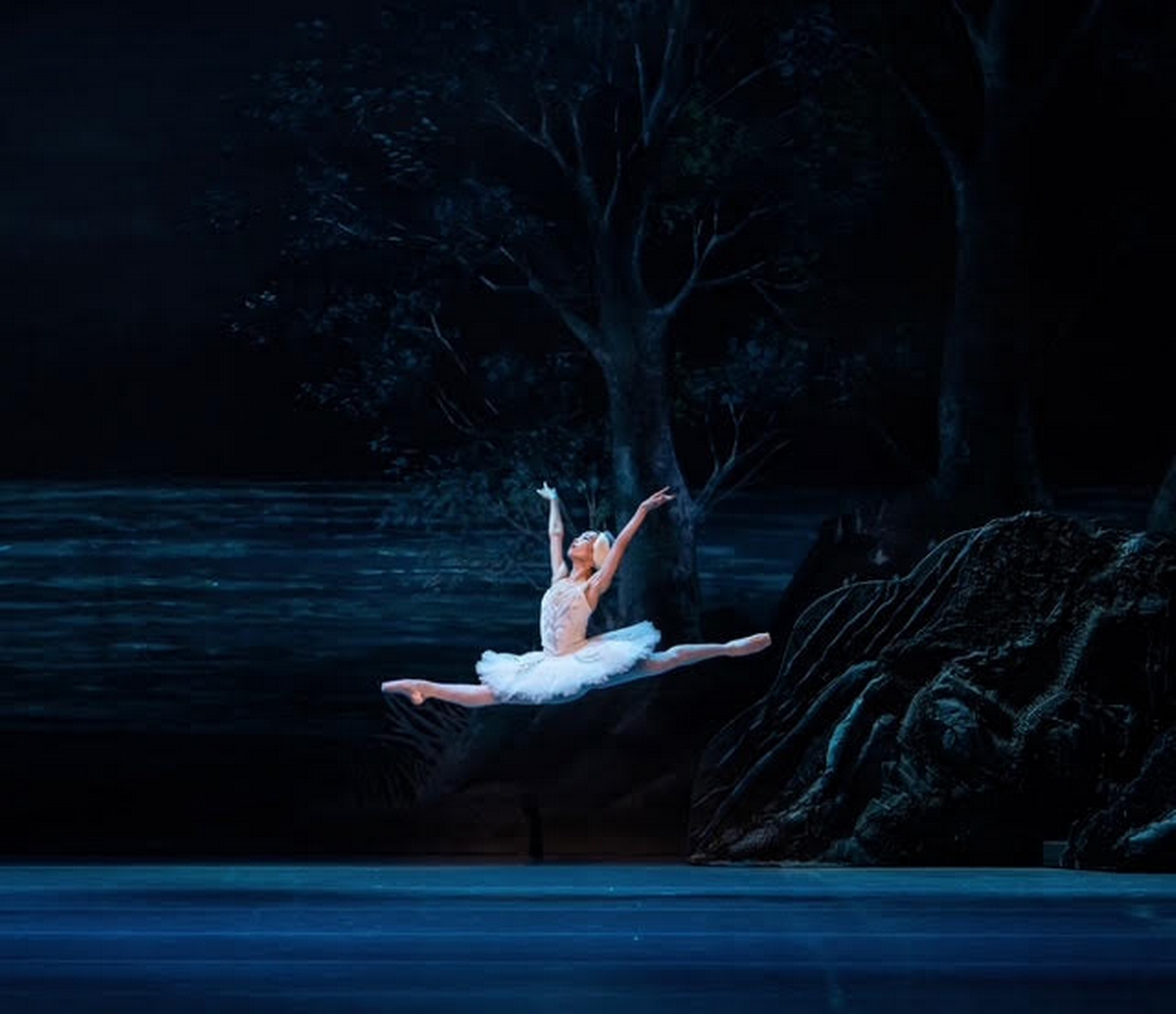
Hitomi: I started ballet when I was about four years old. My grandmother had always wanted her daughter to learn ballet, so she hoped her granddaughter would take it up instead.
Teri: How many years have you been a professional ballerina?
Hitomi: This year marks my 11th year as a professional dancer!
Teri: That’s wonderful! When you were taking lessons as a child, what did you enjoy most, and what did you find challenging?
Hitomi: What I enjoyed most was creating a performance together with my friends and fellow dancers at the ballet school. I always loved working as part of a team. The most difficult times were when I didn’t achieve the results I had hoped for in competitions.
Teri: Now that you are a professional ballerina, what do you find rewarding, what challenges do you face, and what are your goals?
Hitomi: One of the most rewarding things is being able to perform roles and works that I once dreamed of dancing. I also still enjoy collaborating with my fellow dancers to create large-scale productions. The most challenging times are when I am injured or in pain and cannot dance the way I want to.
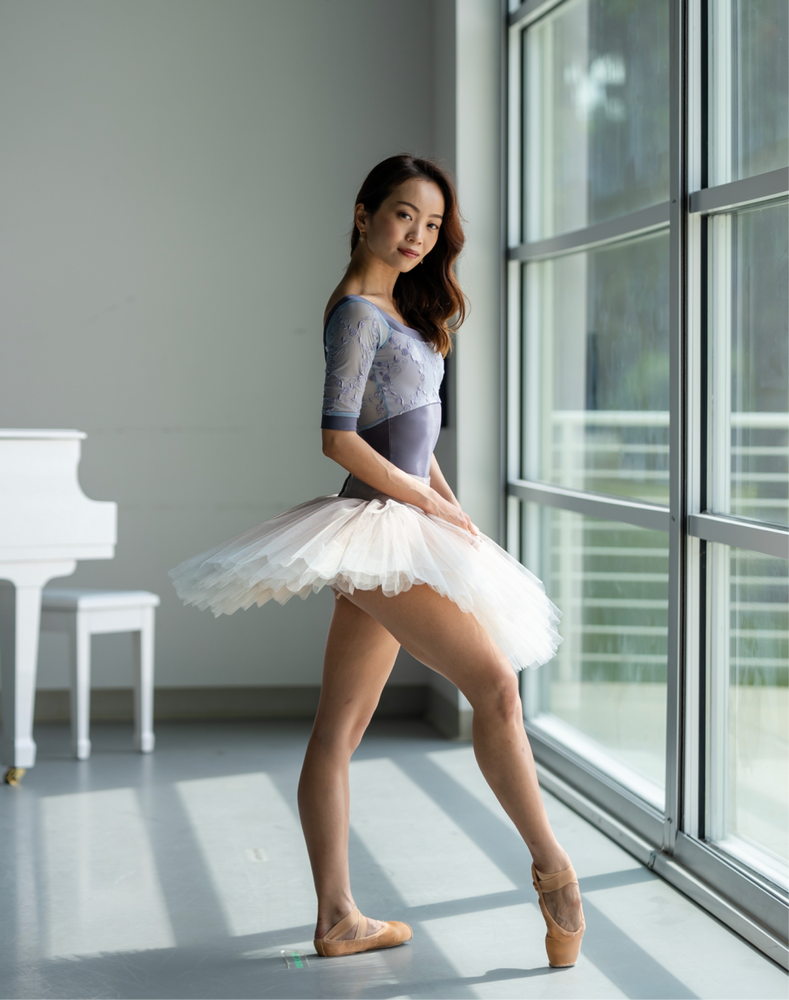
Teri: I can imagine… How did you come to join Orlando Ballet, and when did you join the company?
Hitomi: Before coming to Orlando, I attended a ballet school in Houston. While auditioning for several programs, the director of Orlando Ballet School noticed me and offered me an opportunity. From there, I joined the second company and eventually became a member of the main company.
Teri: What does a ballet company dancer’s training schedule look like? Do you train every day? How many hours do you practice?
Hitomi: We work five days a week, from 9:00 a.m. to 5:30 p.m., which is actually quite similar to a regular office job schedule.
Teri: Have you noticed any differences between ballet in Japan and ballet in the United States? If you have experience in other countries as well, how do they compare?
Hitomi: It’s not so much the ballet itself, but the audience that feels different. In Japan, ballet is often viewed as something exclusive or difficult to access. In the United States and Europe, however, it is part of everyday culture and something anyone can enjoy. Because of that, I feel there is generally more support for ballet in those countries.
Teri: What are your top three favorite ballets to perform, and your top three works you would most like to see?
Hitomi: My top three favorite ballets to perform are Romeo and Juliet, Giselle, and Don Quixote. And the top three works I would most like to see are Manon, Works by William Forsythe, and Works by Crystal Pite.
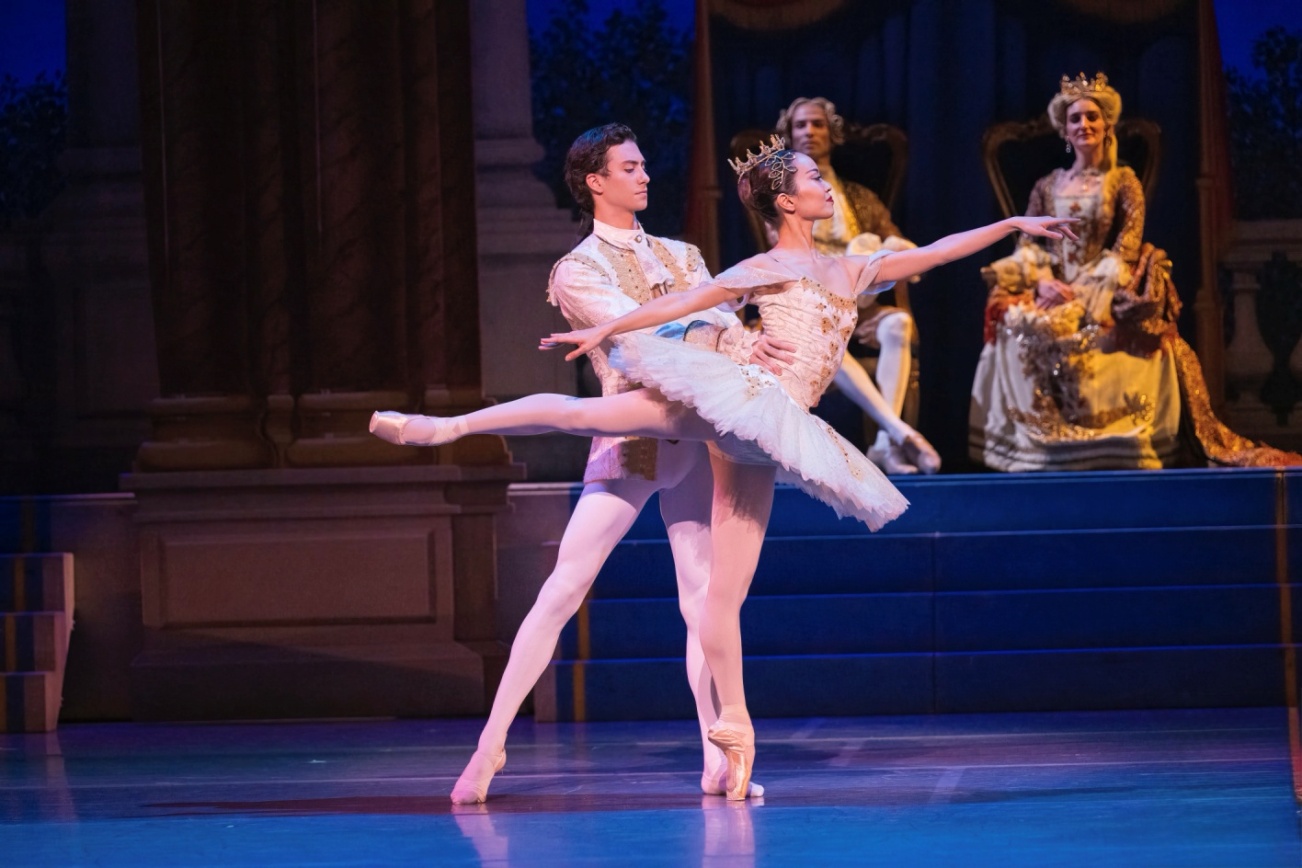
Teri: We’ve talked a bit about your life as a ballet dancer, Hitomi, and now I’d like to hear a little about your personal life as well. How do you spend your days off? Do you have any hobbies?
Hitomi: On my days off, I like to take it easy and give my body plenty of rest. I enjoy spending time with my dog, Nina, baking sweets, and watching movies.
Teri: What kinds of sweets do you like to bake?
Hitomi: Lately, I’ve been making muffins quite often! I usually bake a large batch, and if there are any extras, I like to share them with the other dancers.
Teri: What is your favorite food?
Hitomi: I have a sweet tooth, so I love desserts – especially baked goods and sweet breads from bakeries.

Teri: Where do you usually buy sweet breads and pastries? And what are some of your favorites?
Hitomi: It’s actually quite difficult to find Japanese-style sweet breads in Orlando. My favorite bakeries in Orlando are Buttermilk Bakery and Chiffon Culture Bakery Café.
Teri: Besides sweet breads, do you ever miss Japanese food? What’s your favorite Japanese dish?
Hitomi: Japanese yakiniku is something I always make sure to eat whenever I return to Japan.
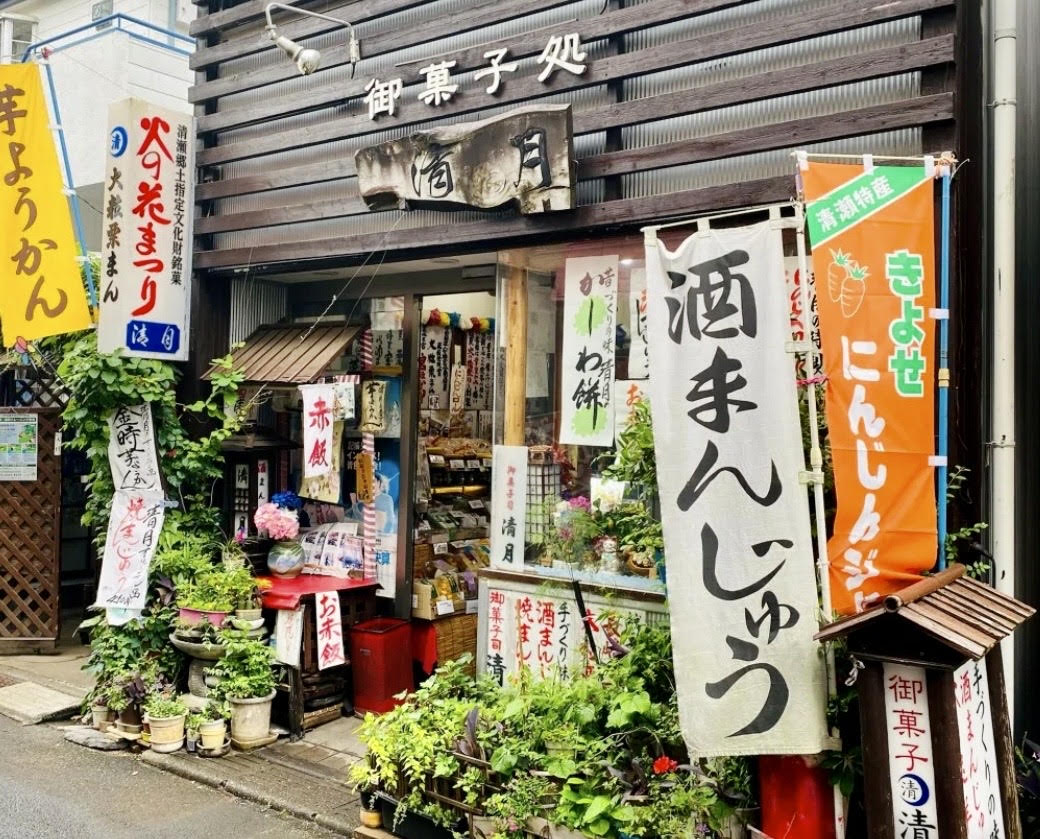
Teri: That sounds delicious! I love yakiniku too. Where in Japan are you from? Could you tell us a little about your hometown?
Hitomi: My hometown is Kiyose City in Tokyo, located on the western side of the city near Saitama Prefecture. It is rich in nature, with plenty of farms and forests. It’s a peaceful and comfortable place to live—so much so that it hardly feels like Tokyo. Kiyose’s carrots are famous. There’s a long-established confectionary house called “Seigetsu” where my father regularly goes to.
Teri: That sounds lovely. What was your impression of Orlando when you first arrived? Is there anything you wish Orlando had more of today?
Hitomi: When I first came to Orlando, I felt there wasn’t much here besides Disney and Universal. However, in recent years, I’ve seen the city grow and develop significantly, with many new neighborhoods, facilities, and attractions. One thing I would love to see more of is Japanese shops and restaurants.

Teri: I know exactly what you mean! Now we’ve learned a little about your life outside of ballet – spending time with your furry baby, Nina, baking sweets, watching movies, and getting plenty of rest. Before we wrap up, I’d like to ask you a few more questions about your ballet career… What would you like audiences to experience when they watch a ballet performance? What do you hope they will feel and enjoy?
Hitomi: It depends on the production. For story ballets, I hope audiences will enjoy experiencing the emotions of the characters and seeing the story from each character’s perspective through dance. For non-narrative works, I hope they can appreciate the joy of movement itself and enjoy dance as an art form that expresses emotions and ideas through the body.
Teri: I see… What kinds of productions have you performed in with Orlando Ballet?
Hitomi: I have performed in many different types of productions over the years, but my favorites are story ballets – works that tell a story through dance.
Teri: What is the best way to attend and enjoy a ballet performance? Is there a preferred dress code or etiquette? In Japan, the ballet environment is often seen as rather formal, while in the U.S. it seems to be more relaxed.
Hitomi: I think people should feel free to wear whatever they are comfortable in! Compared to Japan, ballet performances in the United States tend to be much more casual and accessible.
Teri: What are your top three ballet recommendations for first-time audience members?
Hitomi: I’d say Romeo and Juliet, Giselle, and Swan Lake.
Teri: What message would you like to share with children who are currently studying ballet or who are thinking about starting ballet?
Hitomi: The path of ballet is certainly not an easy one, but I believe that as long as you believe in yourself, there will always be a way forward. Don’t compare yourself to others. Focus on your own journey, and most importantly, enjoy dancing.
Teri: That’s great to hear! Thank you so much, Hitomi. It was a real pleasure talking with you today. I wish you continued success in your ballet career, and all the very best for the future!