





「香りを聞く ― 香道と源氏香の世界」
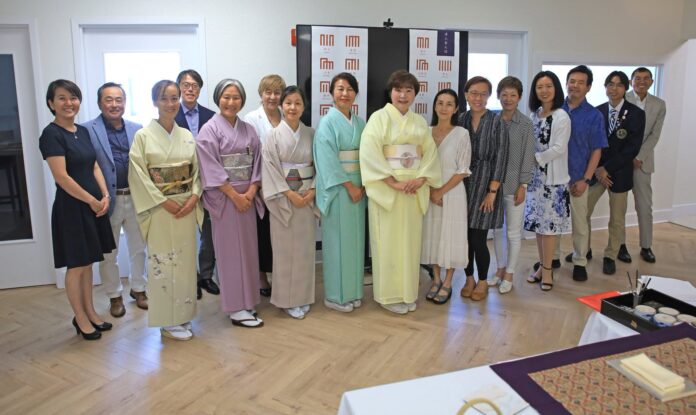
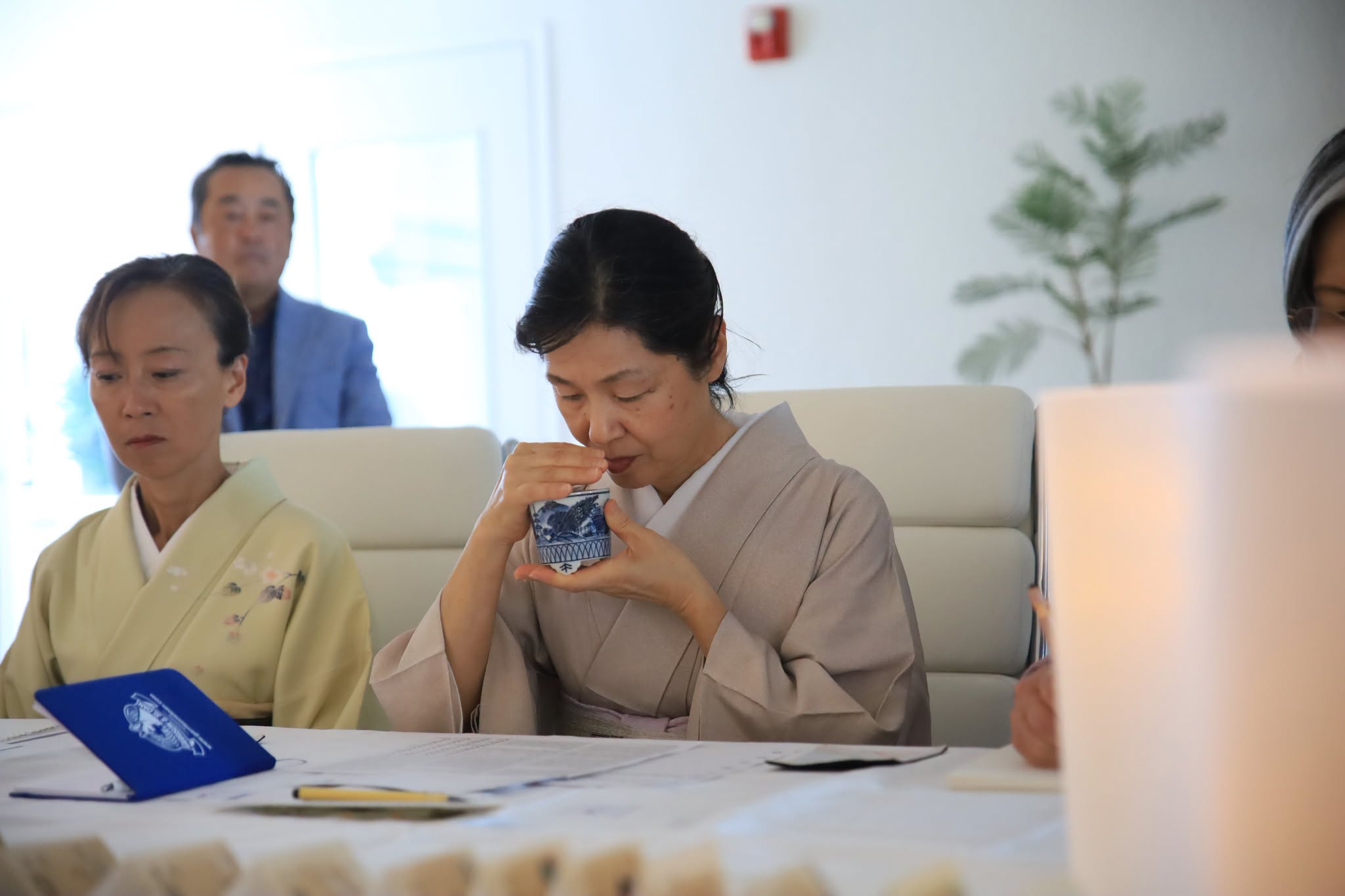
The other day, I had the opportunity to experience a kōdō (the Japanese Way of Incense) gathering. I’d like to introduce the world of kōdō following the flow of that gathering.
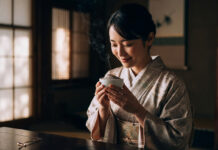
In kōdō, rather than using incense sticks or kneaded incense, participants appreciate the fragrance of kōboku, or fragrant wood. Instead of burning the wood directly, it is gently heated over charcoal, allowing its delicate aroma to emerge. One of the unique features of kōdō is that this experience is described as “listening to the fragrance.”
Japan is home to many traditional arts that have been cultivated over centuries. Among them are Sado, the Way of Tea, which transforms the act of drinking tea into a spiritual practice, and Kado, the art of flower arrangement. Alongside these stands another refined art form: Kodo, the Way of Incense.
Kodo is a uniquely Japanese cultural practice centered on appreciating and discerning the subtle qualities of fragrant woods. More than simply enjoying aroma, it is a highly sophisticated art that integrates literature, seasonality, aesthetics, and spirituality.
The History of Kodo
The origins of Kodo can be traced back to the Muromachi period (1336-1573).
During the era of Ashikaga Yoshimasa, who fostered the Higashiyama culture and the aesthetics of wabi-sabi, Kyoto became a center for the development of Japan’s classical arts. It was in this cultural atmosphere, particularly around Ginkaku-ji Temple, that the three great Japanese arts—Tea, Flower, and Incense—were refined into formal traditions.
In the 16th century, Kodo was systematized by Shino Soshin, a samurai, and Sanjonishi Sanetaka, one of the highest-ranking cultural figures of the Imperial Court. From that time onward, Kodo was cultivated as a refined accomplishment among both aristocrats and samurai families.
In Kodo, the act of appreciating fragrance is described not as “smelling” but as “listening” to incense. This expression reflects the idea that one should quiet the mind, focus the senses, and engage with fragrance through the whole body and spirit.
Fragrance in Kodo is believed to awaken the five senses, create stillness within the mind, and invite participants into a contemplative world of tranquility and awareness. It is a comprehensive art form deeply connected to poetry, literature, seasonal aesthetics, visual design, and philosophical thought.
Rikkoku Gomi 六国五味: The Foundation of Kodo
Kodo is built upon two essential elements: Rikkoku Gomi and Kumiko.
What Is Rikkoku Gomi?
The fragrant wood used in Kodo is primarily jinko (aloeswood), a rare aromatic wood formed only under highly specific natural conditions over many years in limited regions of Southeast Asia.
The highest grade of aloeswood is called Kyara, an exceptionally precious material that today is said to be worth many times more than gold by weight.
In Kodo tradition, aromatic woods are classified into six categories:
Kyara 伽羅
Rakoku 羅国
Manaka 真那賀
Manaban 真南蛮
Sumotara 寸聞多羅
Sasora 佐曽羅
Their fragrances are further described through five “flavors”:
Sweet
Spicy
Bitter
Sour
Salty
This system is known as Rikkoku Gomi, meaning “Six Countries and Five Flavors.”
The use of taste vocabulary to describe scent reflects the uniquely refined sensitivity of Japanese
aesthetics.
Kumiko 組香: A Literary Game of Fragrance
The second major pillar of Kodo is Kumiko.
Kumiko is a game in which participants listen to several fragrances and identify their combinations. Yet it is far more than a simple guessing game. Kumiko developed into an artistic and spiritual practice intertwined with seasonal themes, classical poetry, and literary references.
There are said to be more than 700 types of Kumiko, selected according to the season or occasion. New compositions continue to be created even today, demonstrating that Kodo remains a living tradition.
Genji-ko 源氏香: Fragrance Inspired by The Tale of Genji
Among all forms of Kumiko, one of the most celebrated is Genji-ko.
Genji-ko is based on The Tale of Genji, the masterpiece written by Murasaki Shikibu over one thousand years ago during the Heian period. Often regarded as the world’s oldest full-length novel, the work serves as the literary foundation for this elegant incense game.
How Genji-ko Works
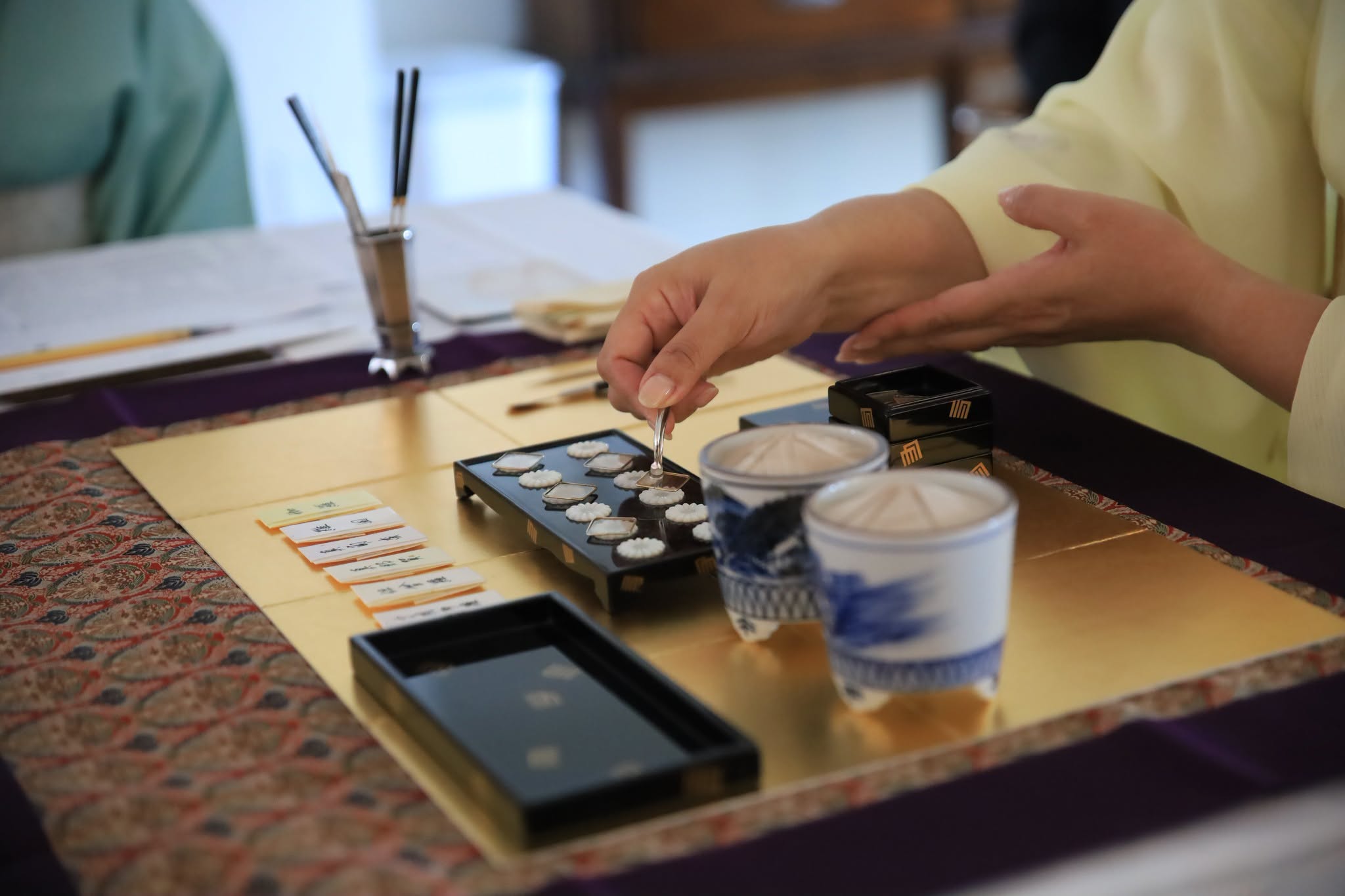
In Genji-ko, five different fragrant woods are each prepared in sets of five packets, creating a total of twenty-five packets.
From these, five packets are selected at random and heated one by one in incense burners.
Participants carefully “listen” to each fragrance and determine:
which aromas are the same,
and which are different.
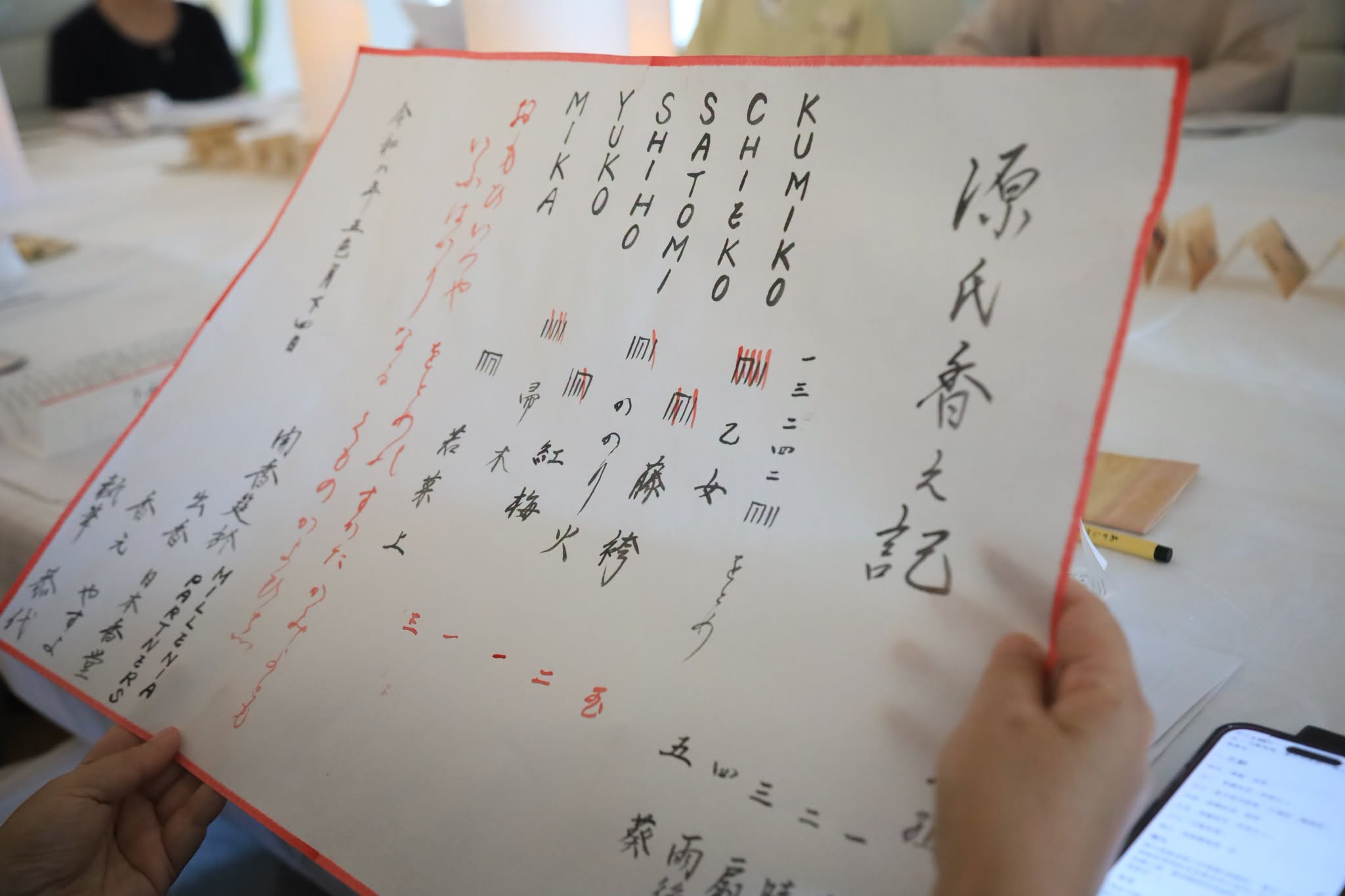
The results are recorded using a diagram composed of five vertical lines.
If two fragrances are judged to be the same, their lines are connected at the top by a horizontal bar.
Different fragrances remain unconnected.
These combinations produce fifty-two possible patterns.
Each pattern corresponds to one of the fifty-two chapters of The Tale of Genji, and each bears the chapter’s name, such as Hanachirusato, Yugao, or Wakamurasaki.
These elegant designs are known as the Genji-ko diagrams.
Although composed only of simple straight lines, the diagrams embody remarkable abstraction, literary depth, and visual beauty.

The Etiquette of the Incense Gathering
During a Kodo gathering, incense burners are passed from guest to guest in silence and concentration.
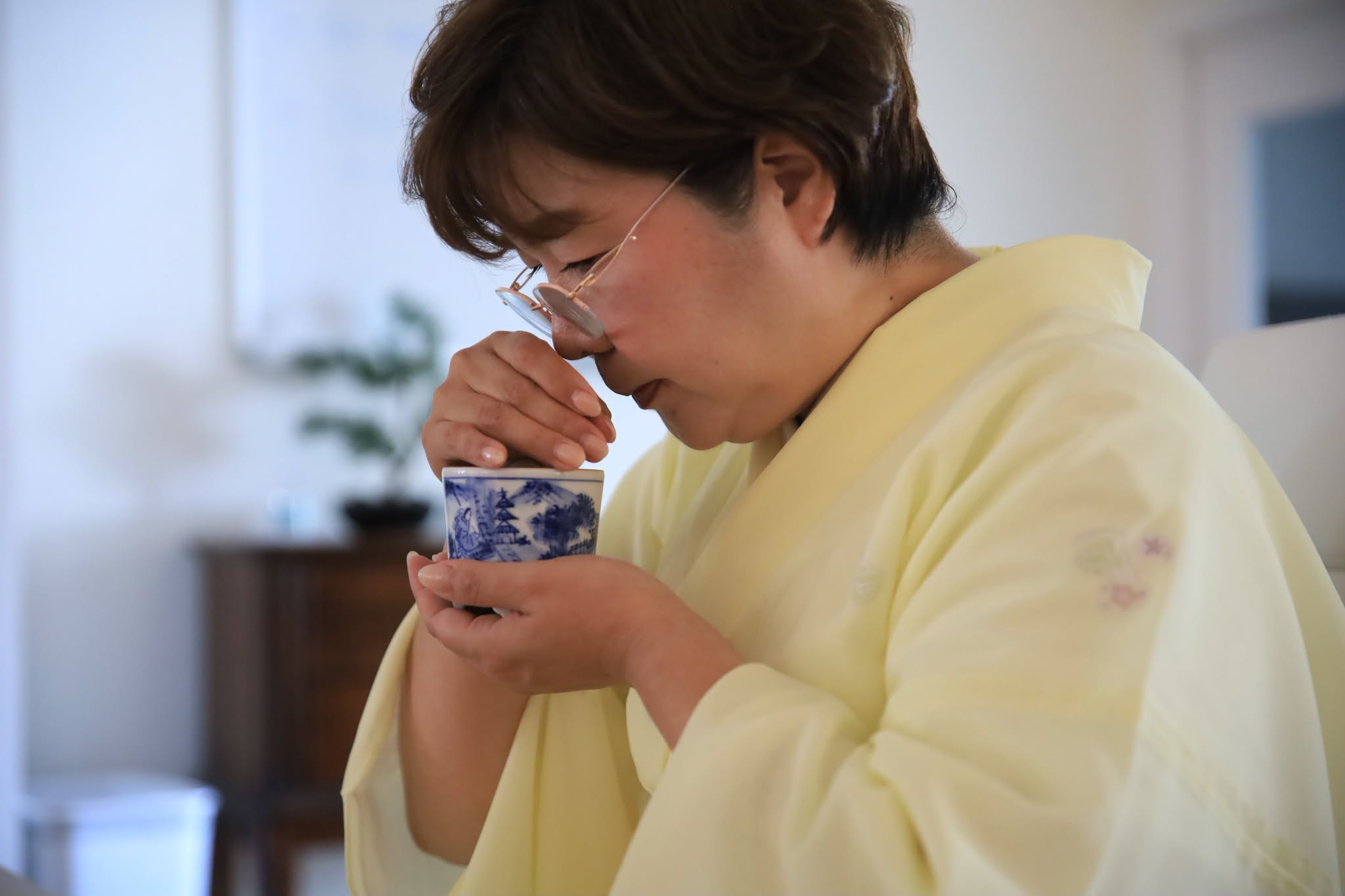
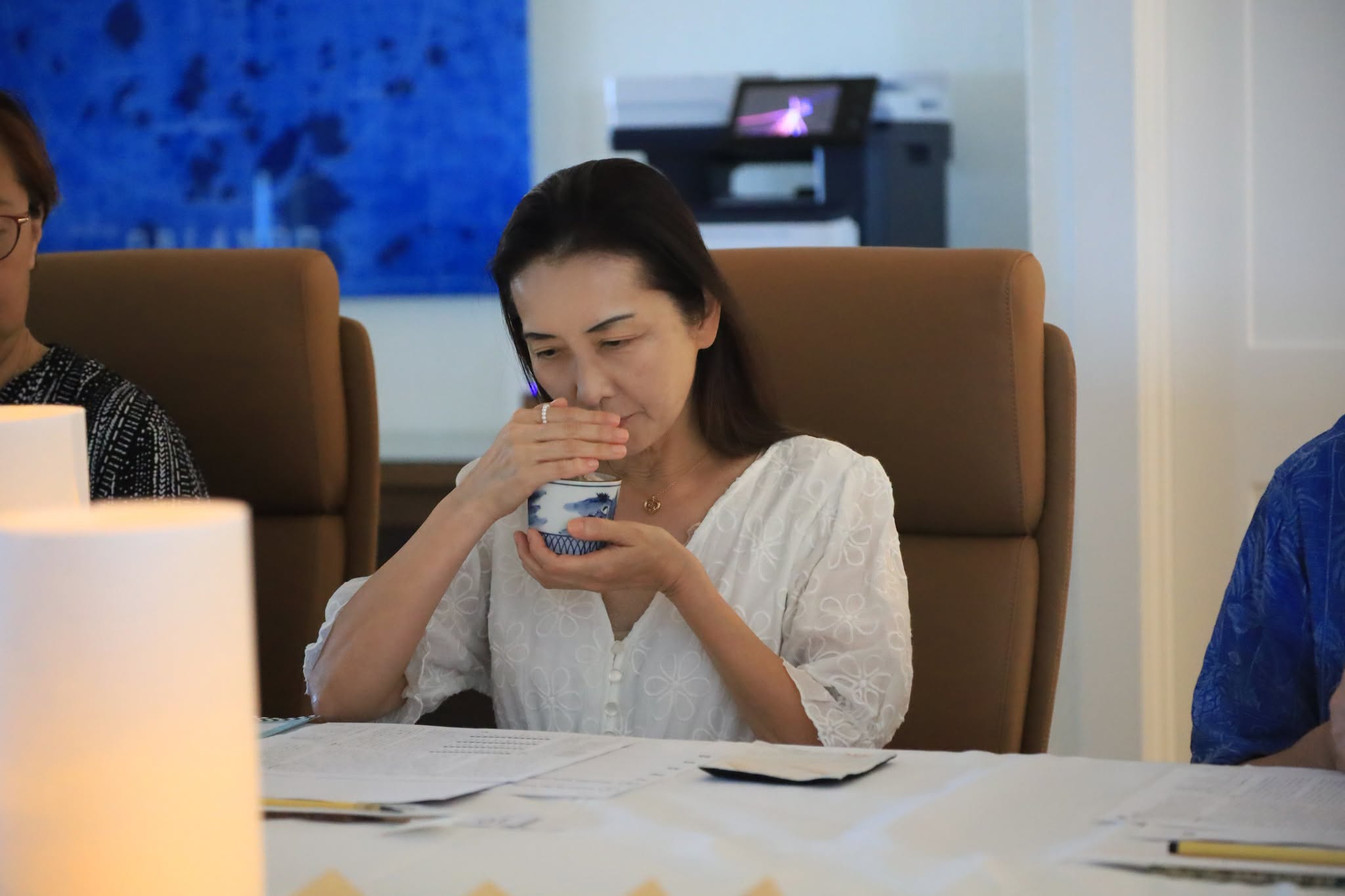
Participants appreciate the fragrance through three gentle breaths, traditionally from the right, left, and center. This method encourages a deep attentiveness to subtle variations in aroma.
In Kodo, this practice is called Monko 聞香 — “listening to incense.”
The word “listening” expresses an attitude of mindfulness: quieting the heart, facing oneself honestly, and fully concentrating on the fragrance.
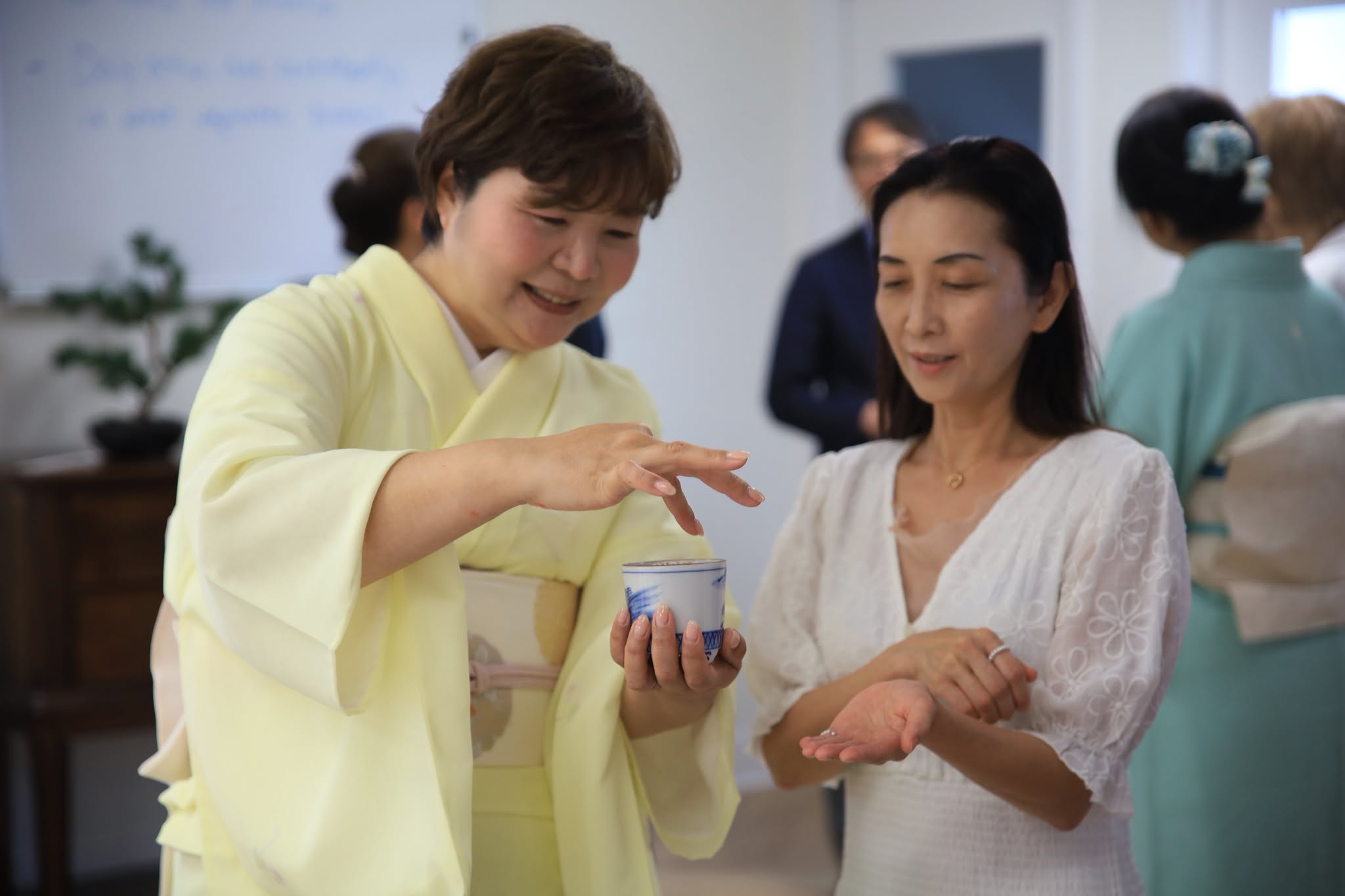
When the first incense burner is passed, participants also bow lightly to the next guest and say “Osakini” (“Excuse me for going before you”), reflecting the importance of courtesy and harmony within the incense gathering.
What Kodo Truly Values
In a Kodo gathering, the host responsible for preparing the incense is called the Kohmoto.
The adjustment of charcoal heat is considered extremely important, as even the slightest difference can affect the fragrance released by the wood. Great skill and sensitivity are required to present the incense in its finest condition.
According to the masters of Kodo, the most important principle is to allow guests to experience fragrance at its absolute best.
At the same time, Kodo values the human connections created within the gathering itself. Through sharing fragrance together, participants may discover new awareness, deepen relationships, and experience a fleeting yet meaningful sense of communion.
At the close of the gathering, the Kohmoto announces:
“Koh michimashita.”
“The fragrance has reached fullness.”
This poetic expression signifies that the aroma has filled not only the room, but also the hearts of everyone present, leaving behind a rich and lingering emotional resonance.
Thank you very much for joining this journey into the world of Kodo. We hope the experience leaves a lasting fragrance in your memory.
Koseki 香席 Presented by; Nippon Kodo 日本香堂
www.nipponkodo.co.jp
www.nipponkodo.com
Nippon Kodo is a leading Japanese incense and home fragrance company with a heritage dating back to 1575. Headquartered in Ginza, Tokyo, the company combines centuries-old incense-making traditions with modern fragrance innovation to create products that promote relaxation, mindfulness, and everyday well-being. Today, Nippon Kodo is recognized worldwide for its high-quality incense, candles, and home fragrance collections, bringing the art of Japanese fragrance to customers across the globe.