




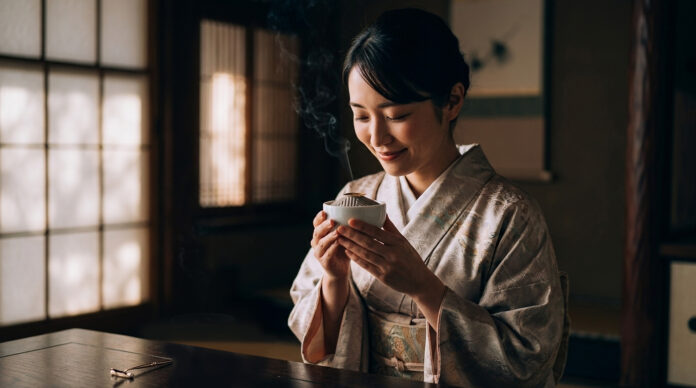

I regularly burn incense as part of my daily routine for purification and relaxation.
The time spent surrounded by the gently rising smoke and the soft, spreading fragrance is a precious moment that calms the mind and brings harmony to the space around me.
The charm of Japanese incense does not lie in strong, assertive scents, but rather in fragrances that quietly accompany and complement one’s surroundings. This subtle and delicate character is deeply connected to the Japanese sense of aesthetics and sensitivity.
The origins of the Japanese tradition of burning incense are believed to be rooted in both ancient nature worship and the Buddhist culture that was later introduced to Japan.
Even before the arrival of Buddhism, people in Japan are thought to have burned aromatic woods and herbs to purify spaces with smoke, ward off evil spirits, perform rituals, and repel insects. Natural fragrances such as mugwort and Japanese cypress were closely woven into everyday life and spiritual practices.
In the 6th century, together with Buddhism, fragrant woods and incense culture were introduced to Japan from China and the Korean Peninsula.
In 595 CE, a piece of agarwood that drifted ashore on Awaji Island was recorded in the Nihon Shoki 日本書紀 (The Chronicles of Japan), and this is known as the oldest documented record of aromatic wood in Japan.
Later, during the Heian period, aristocrats developed a culture known as takimono (blended incense), in which they created and enjoyed their own fragrance combinations. Fragrance became an important part of refinement, education, and aesthetic appreciation. In The Tale of Genji 源氏物語, scent is portrayed as an essential element that expresses a person’s character, elegance, and social standing.
During the Muromachi period, the practice of Monkō 聞香 —literally “listening to fragrance”—emerged. This practice eventually evolved into Kōdō 香道, the “Way of Incense.” Alongside the tea ceremony and flower arrangement, it became one of Japan’s distinctive spiritual and cultural arts.
Today, incense is appreciated not only for religious purposes but also as a means to:
- Calm the mind
- Harmonize and refresh a space
- Shift one’s mood and mindset
- Quietly reconnect with oneself
In the midst of busy daily life, the few minutes spent burning incense may be a chance to steady one’s breathing and return inward.
Japanese incense culture seems to embody, even today, the delicate spirit of a people who have long lived in harmony with nature and cherished the lingering afterglow of fragrance.
Types of Japanese Incense — Different Ways to Enjoy Fragrance
Japanese incense comes in many forms, materials, and styles of enjoyment.
Beyond simply scenting a room, incense can help regulate emotions, evoke the seasons, create atmosphere, and bring peace of mind. The ability to choose different types according to purpose is one of its greatest attractions.
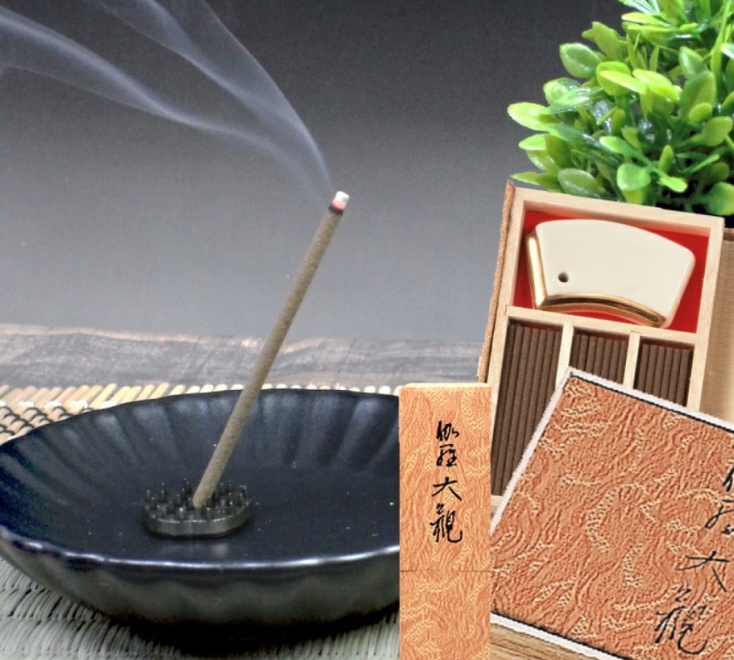
Senkō 線香 (Incense Sticks)
The most familiar form of Japanese incense is senkō, or incense sticks.
These slender sticks burn slowly after being lit, gradually releasing their fragrance into the air.
Originally used mainly for Buddhist ceremonies and memorial services, incense sticks are now widely enjoyed in everyday life for relaxation and creating a pleasant atmosphere. Modern varieties include low-smoke options and a wide range of fragrances, such as sandalwood, agarwood, floral scents, and citrus blends.
Among the most representative aromatic woods are:
- Sandalwood 白檀
- Agarwood 沈香
Sandalwood is known for its gentle, sweet, and calming aroma, while agarwood is prized for its deep, rich, and mysterious fragrance.
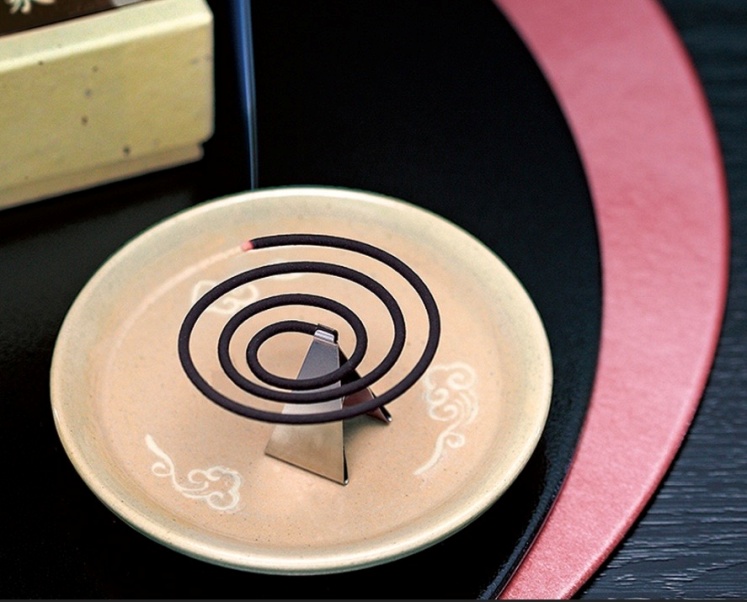
Uzumakiko 渦巻き香 (Coil Incense)
Coil incense is shaped into a spiral and is designed to provide fragrance over a long period of time.
Some varieties continue burning for several hours, making them ideal for larger spaces or leisurely occasions when one wishes to enjoy fragrance throughout the day.
During summer, coil incense is sometimes used as an insect repellent and has long been a familiar part of Japanese life.
Nioibukuro 匂い袋 (Scent Sachets)
A nioibukuro is a way of enjoying fragrance without using fire.
Aromatic woods and fragrances are placed inside a small cloth pouch, which can then be tucked into clothing, drawers, or bags.
This elegant practice reflects the refined fragrance culture of the Heian aristocracy. Because the scent is subtle and gentle, it naturally helps create a pleasant state of mind.
Nerikō 練香(Kneaded Incense)
Nerikō is a traditional form of incense made by kneading fragrant ingredients together with honey or other binding materials.
Rather than being lit directly, it is gently warmed over charcoal or a heating source to release its aroma.
During the Heian period, aristocrats often created their own unique blends and selected them according to the season or personal preference. Nerikō represents one of the most sophisticated and elegant expressions of Japanese fragrance culture.
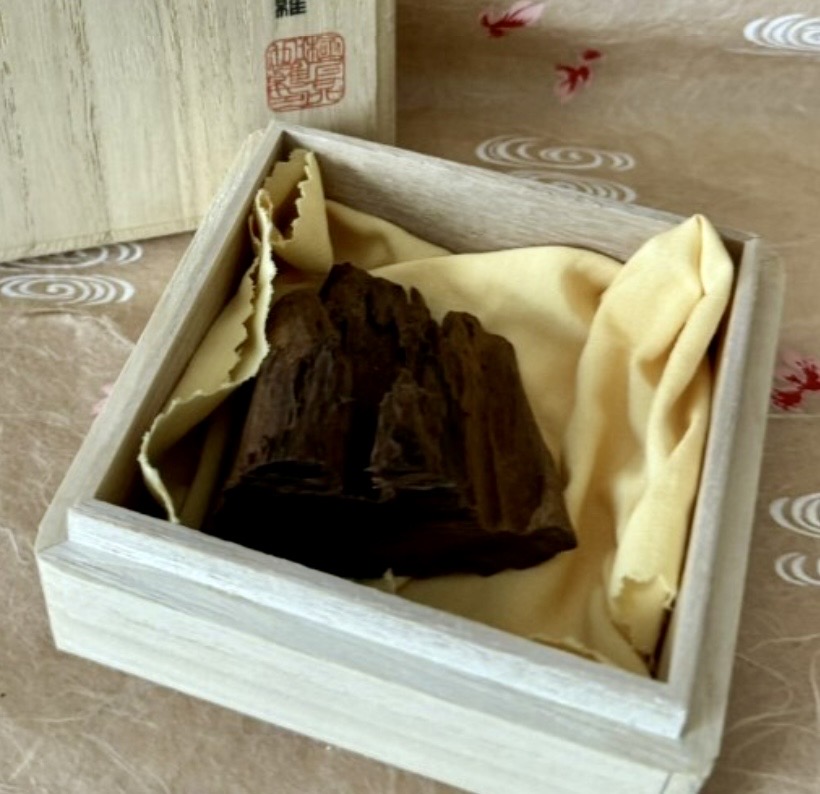
Kōboku 香木(Aromatic Wood)
Kōboku refers to natural aromatic woods that are heated or burned to appreciate their fragrance directly.
Among them, agarwood 沈香and kyara 伽羅—the highest grade of agarwood—are especially prized and hold an important place in the practice of Kōdō.
In Japan, one does not simply “smell” aromatic wood; one is said to “listen” to its fragrance.
Quietly focusing on the scent, appreciating its subtle changes and lingering impressions, reflects a uniquely Japanese sensibility and approach to beauty.
Incense in Modern Life
Today, incense is embraced not only within religious and traditional cultural contexts but also as part of everyday self-care and relaxation.
A fragrance in the morning can help center the mind for the day ahead.
A fragrance in the evening can calm the heart and prepare the body for rest.
The time spent enveloped in a favorite scent may be a small but meaningful ritual—a moment to return to oneself amid the busyness of daily life.